Recycle Waste

Beston Group

Beston Group

Why Opt for Trusted Pyrolysis Plant Manufacturers?

2023. szeptember 08. - wasterecycling

A pyrolysis plant is a versatile solution for processing various feedstocks while simultaneously reducing waste and minimizing water pollution. Establishing a pyrolysis plant is a valuable endeavor, but it's crucial to select reliable pyrolysis plant suppliers for this venture.

Here are the top reasons why choosing reputable pyrolysis plant manufacturers is essential:

Assurance of Quality
Reliable manufacturers have extensive experience in the industry and maintain a strong reputation for delivering quality equipment. They offer reasonable pricing and exceptional customer service. These manufacturers also assist their customers in resolving any issues with their pyrolysis plants, ensuring a positive experience.

Peace of Mind
Opting for a reputable manufacturer provides peace of mind. You can trust the manufacturer to provide top-notch equipment and services. If any problems arise with your pyrolysis plant, they will assist you in finding solutions and ensure your satisfaction with their services.

Time Savings
Building a pyrolysis plant can be a time-consuming process, involving sourcing the right materials and equipment. However, reliable manufacturers simplify this process by providing everything you need. They are well-versed in setting up pyrolysis plants efficiently, saving you valuable time.

Operator Training
Proper training for your plant operators is crucial. Some reputable pyrolysis plant manufacturers may offer free operator training, saving you the expense of hiring outside experts. This training ensures your operators can effectively manage the plant's operations.

Cost Savings
Setting up a pyrolysis plant involves purchasing various pieces of equipment. Buying equipment from multiple sources can be costlier than obtaining everything from a single reliable manufacturer. These manufacturers offer competitive prices, resulting in cost savings for you.

After-Sales Support
Trusted pyrolysis plant manufacturers provide after-sales support. They understand that customers may encounter issues with their plants and are prepared to assist in resolving these problems. Additionally, they can guide you in maintaining your pyrolysis plant to extend its lifespan.

Free Shipping
Shipping equipment for your pyrolysis plant can be expensive. When you choose a reliable manufacturer, they may offer free shipping, reducing your overall costs and simplifying logistics.

Warranty
Reputable pyrolysis plant manufacturers typically offer warranties covering technical defects. It's advisable to compare warranties from multiple manufacturers to ensure adequate protection. This warranty serves as a safeguard against potential losses, as the manufacturer can repair or replace your plant if issues arise within the warranty period.

In Conclusion

Selecting reliable pyrolysis plant manufacturers is paramount to the success of your project. These manufacturers offer various benefits, including cost savings, time efficiency, and ongoing support. By choosing a trustworthy manufacturer, you can ensure the smooth operation and longevity of your pyrolysis plant, making your investment worthwhile.
Reasons to Get a Wood Charcoal Making Machine

There are several materials that can be recycled or reused rather than being disposed of. Wood scraps and sawdust are wonderful examples. With the right machinery, these materials could be converted into charcoal. With that being said, let us take a look at some of the benefits associated with choosing a Beston wood charcoal manufacturing machines.

1. Convert Waste Into Usable Material

As stated before, there are several materials that don't have to be discarded. Instead, they can be converted into something with real value. As opposed to disposing of those wood scraps or that sawdust, it is possible to convert it into charcoal that can be used or even sell.

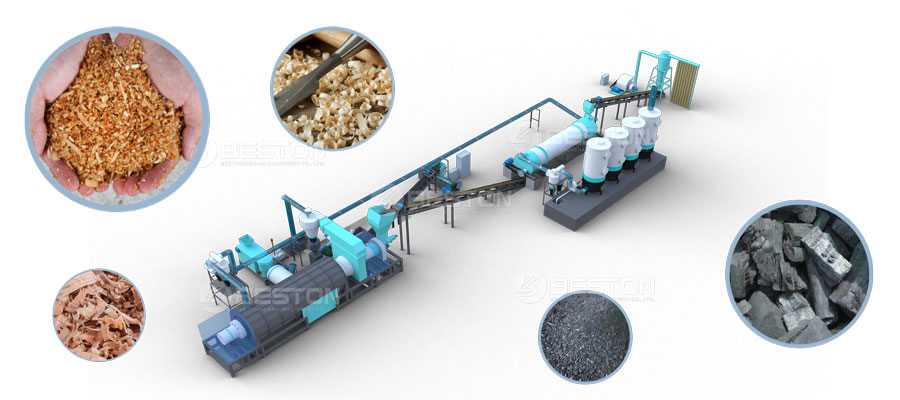
sawdust_charcoal_making_machine_for_sale.jpg

Then chances are you are spending money to discard waste, so why not locate a better solution. One of the best ones is to buy a wood charcoal making machine, letting you have less waste to think about. There's no denying that it is one of the ideal way to deal with waste.

2. Lots of Options

You will find a huge demand for charcoal making machines today. For that reason, this has triggered the mass manufacture of these appliances to be able to meet this demand. Because of this you will discover an impressive collection of biochar machines in the marketplace. So, regardless if you are on the hunt for the small machine, or equipment capable of processing huge numbers of waste, you may certainly obtain an option that meets both your needs and budget.

3. Recoup Your Initial Investment

Charcoal making machines do not come cheap, but if you did a smart investment, it must not get you long to recoup the cash you spent. You will notice a simple return, particularly if you opt to sell the final product.

It could be tough to convince yourself to purchase this type of machinery, specifically if you are tight on money to invest on new machines. However, this gear is the type that's worth purchasing. If you pick a biochar machine, you will definitely get the most from it and recoup your initial investment.


4. Easy to Maintain

When purchasing equipment with moving parts, you are unable to just pinpoint the initial cost. You ideally must consider expenses after a while. Some machines are high-maintenance, which might turn out costing you a lot in the long run. Fortunately, you will recognize that most biochar machines on the market require little maintenance.

You should be able to keep this machinery in ideal condition, meaning it will be easy to utilize it for an extended period. Furthermore, the majority of the latest iterations are energy-efficient, which means low operating costs.

Purchasing a wood charcoal making machine may benefit you in several ways. Simply browse through the biochar equipment you can find and find out if you'll find options suitable to suit your needs. In case you have lots of wood scraps or sawdust that goes to waste, it goes without proclaiming that this equipment must be your next purchase.

Carbonization with a Sawdust Charcoal Making Machine

Carbonization is a process used to convert various forms of agricultural and municipal waste, including sawdust, coconut shells, straw, and rice husks, into clean biomass fuel and other marketable products. This process involves heating biomass waste in an oxygen-deprived chamber to extremely high temperatures, leading to the conversion of waste into solid porous carbon.

Many people are unaware of the significant amount of waste generated by the agriculture industry worldwide on a daily basis. Every time trees and crops are harvested and processed, a substantial amount of waste is produced, such as sugarcane bagasse, sawdust, peanut shells, and various other forms of biomass waste. Traditionally, this waste has been either fed to livestock or incinerated. However, the waste has limited nutritional value, making it less than ideal as livestock feed. View the how to make charcoal from sawdust waste.

sawdust_charcoal_making_machine_for_sale.jpg

Incinerating agricultural waste can be harmful to the environment. Fortunately, modern sawdust charcoal making machines incorporate emission-free carbonization furnace technology, which can transform agricultural waste into high-quality biochar fuel briquettes without harming the environment. Various types of these machines are available for purchase online, offering configurations to suit a range of budgets.

Biochar fuel briquettes produced through sawdust carbonization have a high carbon content. This high carbon content results in minimal smoke production when the briquettes are burned, making them an excellent fuel for outdoor cooking grills. Additionally, biochar fuel briquettes serve as excellent soil additives due to their dense micronutrient profile and strong antimicrobial properties. When used as a soil additive, these briquettes help prevent root diseases and significantly increase crop yields.

So, how does a sawdust charcoal making machine operate? The process is relatively straightforward. Sawdust and other biomass-based waste are automatically fed into a sealed carbonization furnace, where they are heated in an oxygen-free environment to high temperatures. The absence of oxygen leads to the carbonization of the waste rather than combustion. The additional by-products produced by a charcoal making machine may include tar and wood vinegar. Both tar and wood vinegar, like biochar fuel briquettes, can be easily sold in the global market for substantial profits. For instance, wood vinegar is commonly used as an ingredient in commercial pest repellents and soil fertilizers.

Biochar carbonization machines designed to process sawdust are available from multiple manufacturers, and prices can vary significantly. Therefore, conducting thorough research is essential. If you are looking to establish a biomass waste processing facility, choosing the right type of carbonization furnace is critical. Some technical parameters to consider when comparing different sawdust charcoal making machines include working method, reactor size, reactor pattern, operating pressure, expected operational lifespan, space requirements, cooling method, and maximum hourly feeding capacity. Cost is also a crucial factor to consider, and Beston's sawdust charcoal making machines are among the most cost-effective options in the industry.

Advantages of Selecting a Biomass Pyrolysis Plant Available for Purchase

Utilizing a biomass pyrolysis plant can yield significant benefits, particularly when the appropriate materials are employed. Pyrolysis, a process that converts organic substances into usable fuel, can be efficiently executed with the ownership and operation of a pyrolysis plant. While smaller-scale machines exist, opting for a larger unit is often preferable for processing substantial quantities of waste materials. Biomass sources like sawmill sawdust or organic waste can be transformed into valuable combustible resources. To find a suitable biomass pyrolysis machine, consider the following tips.

A Brief Overview of Operations

Biomass pyrolysis plants can generate substantial amounts of burnable fuel, resulting in a surplus of charcoal available for sale. The produced biofuel serves as an alternative to traditional combustible fuel for various industries, including your own operations. Additionally, bio oil, with applications spanning industrial and cosmetic sectors, can be extracted from the process. The operation of these pyrolysis plants involves loading biomass into a pyrolysis reactor, culminating in the production of solid and liquid fuels.

Locating a Plant for Sale

For the latest biomass pyrolysis plants at an affordable cost, explore options in countries like China, where these plants are manufactured with cost efficiency in mind. This is a reliable source for high-quality pyrolysis plants. Engaging with representatives from different companies allows you to discuss your specific material requirements, enabling them to guide you to the most cost-effective and efficient biomass pyrolysis plant available for purchase.

Ease of Operation and Learning

One of the notable advantages of a biomass pyrolysis plant is its user-friendly operation. Consider processing coconut shells, for instance. The process involves breaking down the shells into smaller components and loading them into the reactor. After sealing the reactor and removing oxygen, the heating process commences. Chemical transformations inside the reactor lead to the production of charcoal and usable fuel. Within a week's time, you can become proficient in operating these systems.

Investing in a biomass pyrolysis plant is a manageable endeavor. Though the initial setup may require some time, it's not overly complicated. Once operational, a consistent supply of biomass is the key requirement. By conducting thorough research in countries known for producing cost-effective pyrolysis plants, you can secure a reasonably priced unit. Professionals in your area can aid in the installation process, and once operational, your plant will efficiently convert biomass into valuable fuel resources for businesses and individuals alike.

Want To Get An Incredible Sawdust Charcoal Making Machine?

Looking for an amazing sawdust charcoal making machine? Ensure it meets your needs by considering these tips. First, read reviews to gauge its performance and reliability. Consider buying used to save money but inspect the machine in person. If issues are costly to fix, opt for a new one. Check the return or refund policy if you're unsatisfied. Learn how to operate the machine properly through instructions or contacting the manufacturer. Follow this advice to find a reliable, cost-effective sawdust charcoal making machine.

By following these steps, you can increase your chances of finding an incredible sawdust charcoal making machine. Start by researching and reading reviews to gather insights from other users. Their experiences can provide valuable information about the machine's performance and durability.

If you're on a budget, consider purchasing a used machine. However, be sure to inspect it in person to assess its condition. Calculate the cost of any necessary repairs to determine if it's still a worthwhile investment. Remember, if the overall expense exceeds that of a new machine, it may be best to opt for a brand-new one. Take a view at the sawdust charcoal making machine price.

It's crucial to know the company's return or refund policy in case you encounter any issues with the machine. If it arrives damaged or malfunctions, you should be able to return it for a replacement or receive a refund. Familiarize yourself with the terms and conditions to avoid any disappointment or inconvenience.

Before using the sawdust charcoal making machine, make sure you understand how to operate it correctly. Check for instruction manuals or guides provided by the manufacturer. If they're unavailable, reach out to the company and request a digital copy. Avoid guessing or improvising, as improper usage can lead to problems or accidents.

By following these steps and utilizing the advice provided, you'll be well-equipped to find a reliable and cost-effective sawdust charcoal making machine that meets your requirements.

A Guide to the Charcoal Making Machine

The charcoal machine is a valuable tool that can convert various organic waste materials into high-quality charcoal, which has wide applications in modern times. Charcoal and biochar have long been essential in agriculture and industry, and the demand for this valuable product remains strong. Moreover, these machines offer an important solution for waste management issues

Communities and industries generate significant amounts of waste that can be utilized as a source material for charcoal production. By acquiring the right supply of these valuable waste materials, entrepreneurs can capitalize on a great opportunity to increase their profits. All they need is a suitable charcoal making machine and some knowledge about the process. Do a successful charcoal making business.

Transforming Waste into Charcoal:

A charcoal machine can process diverse organic matter and convert waste into a valuable product. Materials like rice husks, wood scraps, agricultural by-products, coconut shells, and various biomass types are suitable for the charcoal machine. The carbon content of these materials is enhanced through a process called pyrolysis. Here's what you need to know about maximizing this method:

  1. Carbonization: The first step involves reducing the moisture content in the waste materials to enhance the carbon content and prepare them for further processing.

  2. Recycling Combustible Waste Gas: The process generates various waste gases that can be harmful if released into the environment. However, this challenge can be turned into an opportunity for profit. High-quality charcoal machines feature countermeasures to recover these gases efficiently. The energy from these gases can be collected to improve the machine's efficiency, while others can be transformed into valuable products such as resins, wood vinegars, and syngas.

  3. Smoke Handling: Another issue during the charcoal-making process is the substantial amount of smoke produced. Releasing it into the atmosphere can undermine the benefits of waste management and environmental improvement. Hence, well-designed charcoal machines have the ability to collect and reduce pollutants and minimize dust emissions.

Choosing the Right Wood Charcoal Making Machine:

To make a worthwhile investment, it's crucial to select a reliable charcoal machine that meets your needs. Consider the following factors:

  1. No Residue and Reused Energy: Ensure the machine is environmentally friendly and energy efficient. It should have the capability to reuse energy generated during the process.

  2. Reasonably Priced: The most expensive option may not always be the best choice. Evaluate different products based on the source materials you have, quantities, and the market demand for the products you intend to produce.

  3. Excellent Quality: The financial viability of your venture depends on the quality of the machine. Research different manufacturers and their reputations to find a product that suits your requirements.

  1. Capacity and Output: Consider the capacity and output of the charcoal machine. Assess your needs and determine the amount of waste materials you have available for processing. Choose a machine that can handle the volume of waste efficiently and produce an output that meets your production goals.

  2. Ease of Operation and Maintenance: Look for a charcoal machine that is user-friendly and easy to operate. It should have clear instructions and controls that are intuitive to understand. Additionally, consider the maintenance requirements of the machine. Opt for a model that is durable and low-maintenance, ensuring smooth operation and longevity.

  3. Safety Features: Prioritize the safety features of the charcoal machine. It should have built-in safeguards to prevent accidents and ensure worker safety. Look for features such as emergency stop buttons, temperature monitoring systems, and exhaust gas treatment to protect both operators and the environment.

  4. After-Sales Support and Warranty: Research the manufacturer's reputation for after-sales support. A reliable company should provide technical assistance, spare parts availability, and timely customer service. Additionally, check if the machine comes with a warranty to safeguard your investment and address any potential issues that may arise.

By considering these factors and conducting thorough research, you can select the best wood charcoal making machine that aligns with your requirements and maximizes your profitability. Remember to choose a machine that combines efficiency, environmental responsibility, and product quality to ensure long-term success in the charcoal production industry.

Acquiring Affordable Biochar Production Equipment: A Step-by-Step Guide

Have you noticed the recent surge in prices for biochar production equipment? The market competition and technological advancements have driven up costs. Fortunately, there's a way to secure budget-friendly biochar equipment that's just as efficient as pricier options. Here's a simple guide to help you find cost-effective biochar production equipment today.

Understanding Biochar Equipment

Biochar production equipment operates through a unique process known as pyrolysis. It converts various materials, such as sawdust, coconut shells, and municipal solid waste sludge, into biochar and biofuel. The pyrolysis method involves subjecting the materials to extreme heat in the absence of oxygen, resulting in biochar and combustible gases. This innovative technology provides a sustainable solution for waste management and biofuel production.

Finding Reputable Suppliers

Numerous companies worldwide offer biochar production equipment. To locate them efficiently, initiate an online search. Explore the product specifications and pricing of various suppliers to compare their offerings. Ensure the equipment specifications meet your production needs while keeping an eye on the cost.

Comparing Prices and Specifications

When reviewing the options, assess the specifications and prices carefully. Focus on the efficiency, capacity, and capabilities of the equipment. Evaluate the features that matter most to your production process. Additionally, inquire about additional costs, such as shipping and any required accessories.

Requesting Multiple Quotes

To secure the most cost-effective option, request quotes from multiple suppliers. This step allows you to compare prices and gauge the overall expenses for each equipment package. Consider the potential savings by bundling multiple units if your business requires them.

Exploring Bulk Orders

For larger businesses or expansion plans, bulk orders might be more economical. If you have multiple facilities processing diverse materials, investing in several biochar production units could be advantageous. This approach turns waste materials into valuable resources while enhancing your business's sustainability practices. Take a view of the pyrolysis of biomass.

Placing Your Order

After obtaining estimates and thoroughly evaluating your options, confidently place your order. Your chosen units will be delivered within a few weeks, ready to execute the efficient pyrolysis process. If your business regularly deals with materials suitable for biochar production, this investment can prove highly profitable.

In Conclusion

Securing affordable biochar production equipment involves research, comparison, and strategic planning. By understanding the process, researching reputable suppliers, comparing prices and specifications, requesting multiple quotes, and considering bulk orders, you can find the most cost-effective equipment for your business needs. This approach not only benefits your bottom line but also contributes to sustainable waste management and resource utilization. Take the time to explore your options and invest in biochar production equipment that aligns with your business goals.

Carbon Offsetting: Environmental Impact of Coconut Shell Charcoal Making Machines

In the global effort to combat climate change and reduce carbon emissions, carbon offsetting has emerged as a powerful strategy. Carbon offsetting involves compensating for carbon emissions by investing in projects that mitigate or remove an equivalent amount of carbon dioxide from the atmosphere. One innovative approach to carbon offsetting is through the utilization of Beston coconut shell charcoal machine.

Understanding Carbon Offsetting

Carbon offsetting addresses the challenge of carbon emissions by investing in activities that counterbalance those emissions. This process is achieved through projects that reduce, capture, or remove carbon dioxide from the atmosphere. These projects can include reforestation, renewable energy initiatives, and technologies that capture and store carbon emissions.

Coconut Shell Charcoal Making Machines: A Carbon Offset Solution

Coconut shell charcoal making machines play a unique role in carbon offsetting due to their ability to convert waste coconut shells into valuable charcoal. This process directly contributes to carbon offsetting in several ways:

Carbon Sequestration: The carbon in coconut shells is captured and stored as biochar through the pyrolysis process. Biochar is a stable form of carbon that remains in the soil for an extended period, effectively sequestering carbon and reducing atmospheric carbon dioxide levels.

Waste Reduction: By utilizing waste coconut shells as a raw material, these machines prevent the shells from decomposing and releasing carbon dioxide into the atmosphere. Instead, the carbon in the shells is transformed into a useful and marketable product.

Substitute for Fossil Fuels: Coconut shell charcoal serves as an eco-friendly alternative to traditional fossil fuels, such as coal. When coconut shell charcoal is used as a fuel source, it reduces the demand for fossil fuels, leading to a decrease in carbon emissions.

Benefits of Carbon Offset Projects with Coconut Shell Charcoal Machines

Dual Impact: Carbon offset projects involving coconut shell charcoal machines have a dual impact. They mitigate carbon emissions by reducing waste and providing an eco-friendly fuel source.

Environmental Restoration: The production of coconut shell charcoal supports sustainable waste management practices. Additionally, the resulting biochar can enhance soil fertility and contribute to ecosystem restoration.

Community Engagement: Carbon offset projects can involve local communities in waste collection, coconut processing, and biochar application. This engagement fosters community empowerment and environmental awareness.

Supporting Sustainability Goals: Industries and businesses can integrate carbon offset initiatives with their sustainability goals. By investing in these projects, organizations can demonstrate their commitment to environmental responsibility.

Implementing Carbon Offset Projects

To embark on a successful carbon offset project using coconut shell charcoal making machines, consider the following steps:

Assessment: Evaluate the availability of coconut shells and the feasibility of integrating a charcoal making machine into your operations.

Technology: Choose a high-quality coconut shell charcoal making machine that maximizes efficiency and produces superior biochar.

Partnerships: Collaborate with local communities, environmental organizations, and carbon offset platforms to ensure the success and impact of your project. Get the biochar machine in Turkey.

Measurement and Verification: Establish mechanisms to measure the carbon offset achieved through your project. Verification ensures transparency and accountability.

Communication: Share the positive environmental impact of your carbon offset project with stakeholders and customers to inspire greater awareness and participation.

In the journey towards a sustainable and carbon-neutral future, carbon offset projects utilizing coconut shell charcoal making machines contribute to reducing carbon emissions, enhancing waste management, and promoting ecological restoration. These initiatives showcase the potential for innovative technologies to drive positive change and underscore the significance of collective action in addressing climate change.

Thermal Pyrolysis: Unlocking the Potential of Poultry Waste

In the quest for sustainable energy sources and efficient waste management, thermal pyrolysis emerges as a transformative technology. This process involves the decomposition of organic materials through high heat in the absence of oxygen, leading to the creation of valuable products like biochar, bio-oil, and gases. While biomass pyrolysis plant for sale have been widely recognized for their ability to convert various organic materials into useful fuel, they also hold immense potential for addressing a specific waste challenge: poultry waste.

Turning Poultry Waste into Valuable Resources

Poultry farming is a significant contributor to the global agricultural sector. However, it also generates substantial amounts of waste, including manure, feathers, and bedding materials. Improper disposal of poultry waste can lead to environmental pollution and health hazards. This is where thermal pyrolysis enters the scene, offering a sustainable solution to manage poultry waste while harnessing its energy potential.

The Process of Poultry Waste Pyrolysis

Collection and Preparation: Poultry waste, including feathers, manure, and bedding materials, is collected and prepared for the pyrolysis process.

Pyrolysis Reactor: The prepared waste is fed into the pyrolysis reactor, where it undergoes high-temperature heating in the absence of oxygen. This process breaks down the organic components of the waste into valuable products.

Biochar Production: The solid residue obtained from the pyrolysis process is biochar. Biochar is a carbon-rich material that can be used as a soil amendment. It enhances soil fertility, water retention, and nutrient absorption, making it a valuable resource for agricultural purposes.

Bio-Oil Generation: The volatile organic compounds released during pyrolysis are condensed into bio-oil. Bio-oil is a liquid fuel with potential applications in heating, electricity generation, and industrial processes.

Gas Generation: The pyrolysis process also produces gases, which can be further utilized for energy production.

The Benefits of Poultry Waste Pyrolysis

Waste Management: Poultry waste pyrolysis offers a sustainable solution for managing poultry waste. Instead of traditional disposal methods that can lead to pollution, pyrolysis transforms waste into valuable resources.

Energy Generation: The bio-oil and gases produced during pyrolysis can serve as renewable energy sources. This energy can be used to power the pyrolysis plant itself or be fed back into the grid.

Biochar for Agriculture: Biochar derived from poultry waste can improve soil quality, enhance crop yield, and sequester carbon in the soil, contributing to climate change mitigation.

Economic Viability: Poultry waste pyrolysis presents an economic opportunity by transforming waste into marketable products such as biochar and bio-oil. Take a view at this page https://bestonmachinery.com/biomass-charcoal-making-machine/.

Conclusion

The integration of thermal pyrolysis technology in the poultry industry brings a multitude of benefits. By effectively converting poultry waste into biochar, bio-oil, and gases, this technology addresses waste management challenges while creating valuable resources for various industries. As environmental concerns and the need for sustainable energy solutions continue to grow, thermal pyrolysis offers a promising pathway to efficiently manage waste, generate renewable energy, and contribute to a more circular and sustainable agricultural system. Through strategic implementation and investment, poultry waste pyrolysis can contribute to a greener and more efficient future.

The Sawdust Charcoal Making Machine: Transforming Waste into Eco-Friendly Treasure

Sawdust, often considered a byproduct, holds remarkable potential when harnessed correctly. Its value can be substantially amplified through the process of converting it into charcoal, a resource with wide-ranging applications. This transformative journey not only repurposes sawdust but also contributes to environmental sustainability, making the Beston sawdust charcoal machine an innovation with both economic and ecological benefits.

The Essence of the Process

Modern sawdust charcoal-making machines are built upon sophisticated carbonization technology, aligning with eco-friendly practices by eliminating harmful emissions. These machines serve as versatile workhorses, not only processing sawdust but also handling biomass, municipal solid waste, and sludge. The process involves several distinct steps, each contributing to the creation of valuable charcoal.

1. Crushing and Preparation: Sawdust or other biomass materials are finely crushed using specialized shredders to achieve particles under 50mm, preparing them for the next stages.

2. Drying: The shredded materials undergo a drying process, reducing their moisture content and priming them for carbonization.

3. Carbonization Furnace: The dried sawdust enters the carbonization furnace, a crucial phase where heat triggers the transformation of sawdust into charcoal.

4. Cooling and Discharge: After carbonization, the charcoal is cooled using a specialized system, and then the finished product is discharged.

5. Additional Processing: The charcoal can be further processed into various products, such as charcoal briquettes or activated carbon.

Diverse Applications of Sawdust Charcoal

Sawdust charcoal, a potent alternative energy source, boasts a higher calorific value compared to standard charcoal. This cleaner, smoke-free, and non-toxic resource finds application across different sectors:

1. Daily Life: A favored fuel for barbecues, sawdust charcoal enhances the grilling experience while minimizing environmental impact.

2. Industry: It contributes to the creation of building materials like charcoal-infused bricks and is even refined into activated carbon, a valuable component across industries.

3. Agriculture: Known for its exceptional capacity to absorb toxins, sawdust charcoal enriches soil quality, promoting healthier plant growth.

The Advantages of the Sawdust Charcoal Making Machine

- Environmental Stewardship: These machines exemplify waste-to-wealth transformation. They convert biomass into charcoal with an innovative design that prioritizes environmental integrity. The process is entirely pollution-free, diverting waste from landfills and contributing to sustainable waste management.

- Safety Assurance: Equipped with integrated PLC systems, these machines prioritize safety. The machines are modular, adaptable to specific customer requirements. Additionally, the combustion of recycled gas is directed to furnaces or burners equipped with advanced safety features.

In a world seeking sustainable solutions, Beston charcoal maker machine for sale stands as a testament to innovation with impact. It not only optimizes resource utilization but also exemplifies responsible production. As this technology advances, the synergy between economic gains and environmental consciousness becomes increasingly evident. By embracing this transformative machinery, industries can redefine waste as a valuable resource, sparking a positive ripple effect on both their bottom lines and the planet's well-being.

süti beállítások módosítása