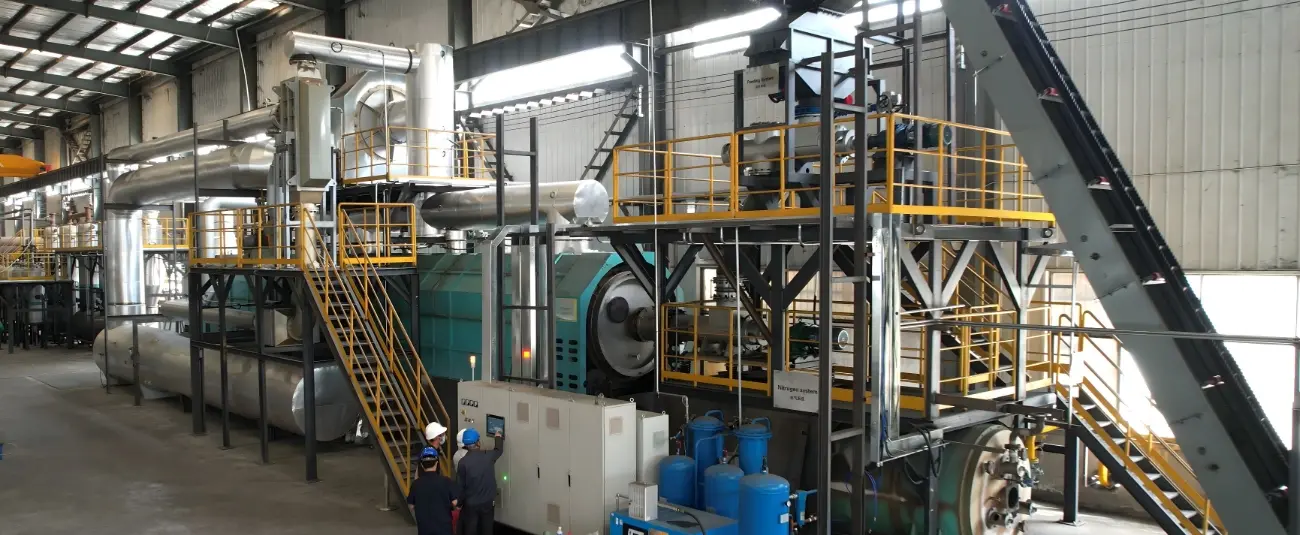
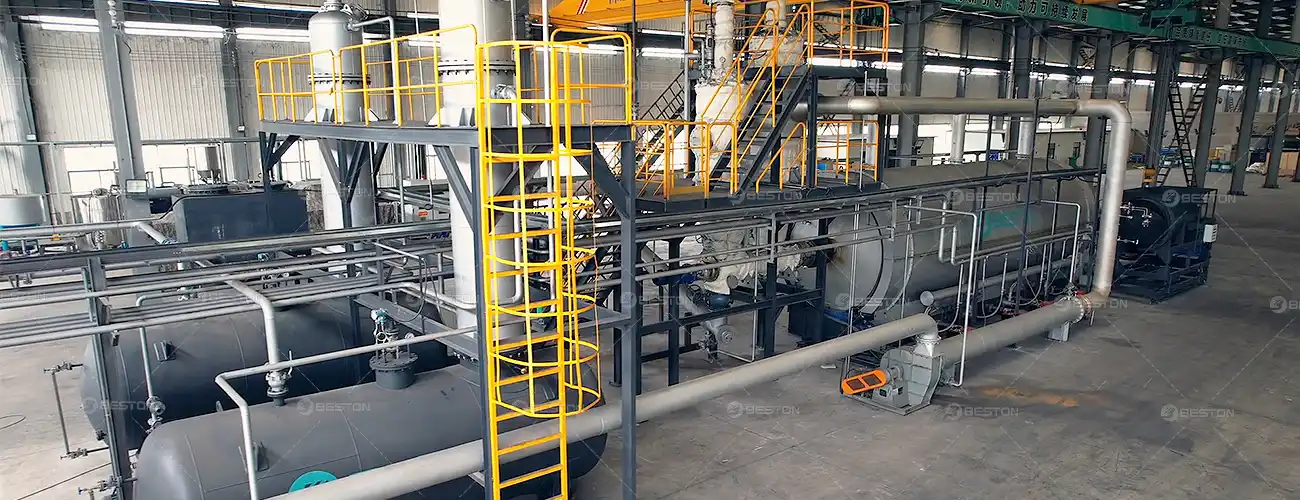
Plastic pyrolysis projects face regulatory risks across feedstock handling, thermal processing, air emissions, product quality, and waste management. A plant may meet its production targets yet encounter operational restrictions if its waste permits, emission controls, or product classification do not satisfy local requirements.
A systematic compliance audit helps identify these vulnerabilities before construction, commissioning, or commercial operation. The objective is to verify that the entire process chain aligns with applicable environmental regulations, safety requirements, and product specifications.
Feedstock Acceptance and Waste Classification
Feedstock is the first point to examine during a compliance audit. Plastic waste varies in polymer composition, additive content, contamination, and moisture. These differences affect both pyrolysis performance and environmental risk.
PVC deserves particular attention because its chlorine content can lead to hydrogen chloride formation during thermal treatment. Certain additives, coatings, and contaminated packaging may also introduce metals or other undesirable substances into the process. Mixed waste can therefore create treatment requirements that were not anticipated during equipment selection.
The audit should establish which plastic streams the plant is authorized and technically equipped to process. Waste classification, supplier documentation, acceptance criteria, storage arrangements, and rejected-load procedures should be reviewed together.
A broad description such as mixed plastic waste is not sufficient evidence that every incoming material is suitable for the process.
Reactor Integrity and Process Safety
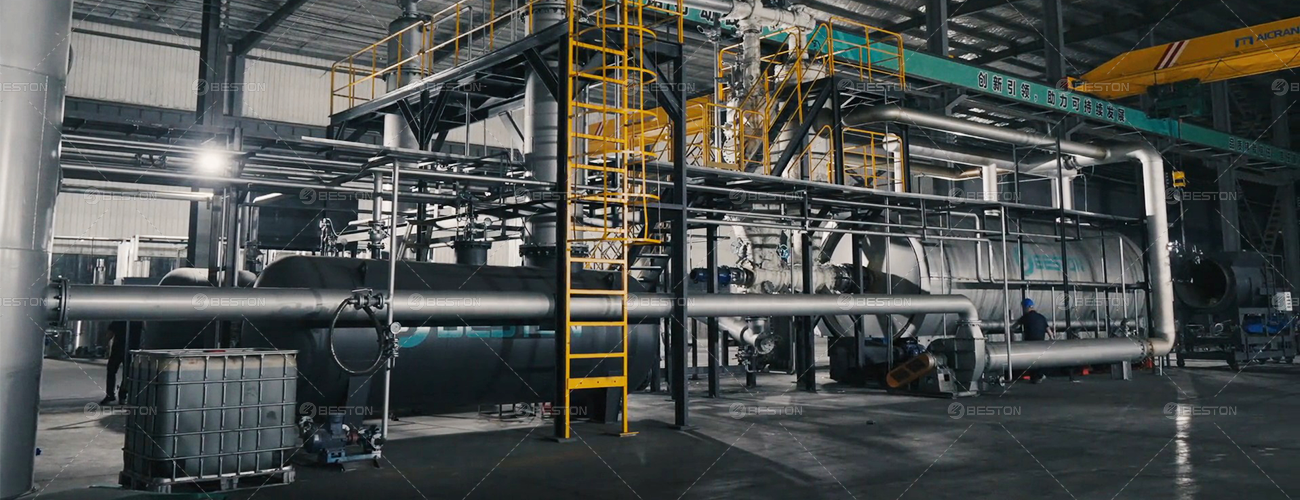
Plastic pyrolysis reactor requires controlled heating under oxygen-limited conditions. Air ingress, unstable temperature, excessive pressure, or uncontrolled gas accumulation can compromise both process safety and environmental performance.
The inspection should cover reactor sealing, feeding and discharge equipment, pressure monitoring, temperature control, emergency shutdown functions, and combustible-gas handling. Gas pipelines and valves should be checked for leakage and appropriate operating conditions.
The audit should also examine whether operating procedures define responses to abnormal conditions. Startup, shutdown, power failure, cooling-system interruption, and unexpected pressure changes require clear control measures.
Equipment specifications alone do not demonstrate compliance. Actual operating procedures and commissioning records must show that the system can be operated within its intended safety envelope.
Emission Control and Exhaust Monitoring
Emission control is one of the most consequential areas of plastic pyrolysis compliance.
Potential emission sources include the reactor heating system, non-condensable gas combustion, vapor leakage, material handling, and storage. Depending on the feedstock and process conditions, relevant pollutants may include particulate matter, carbon monoxide, nitrogen oxides, sulfur compounds, hydrogen chloride, and volatile organic compounds.
The audit should trace the complete gas pathway from the reactor to condensation, gas treatment, combustion, and final discharge. It should verify that each treatment stage is suitable for the expected gas composition and operating load.
Monitoring requirements vary by jurisdiction and permit. Stack testing, continuous monitoring, periodic inspection, and operating records may be required in different combinations. A system should not be assumed compliant simply because treatment equipment has been installed.
Pyrolysis Oil and Solid Residue Management
Products generated during pyrolysis require their own compliance review. Pyrolysis oil is a variable hydrocarbon mixture. Its legal status and permitted use depend on composition, processing history, destination, and local regulations.
The audit should confirm whether the oil is classified as a waste, an intermediate product, or a marketable product under the applicable legal framework. Storage conditions, secondary containment, fire protection, transport documentation, and buyer specifications should also be assessed.
Solid residue requires similar scrutiny. Its composition depends on feedstock contamination and operating conditions. Before reuse or disposal, the material may require characterization to determine whether it contains regulated contaminants.
Neither oil nor solid residue should automatically be considered a saleable product merely because it leaves the reactor.
Permit Consistency and Environmental Records
A compliance gap can arise when the plant's actual configuration differs from its approved design. Changes to feedstock, throughput, fuel use, emission-control equipment, or product destination may trigger additional review or permit amendments.
A structured document audit should compare the approved project description with the installed equipment and intended operating conditions. Key records include environmental permits, waste-transfer documentation, equipment specifications, commissioning reports, emission-test results, maintenance logs, and incident records.
The audit should also identify who is responsible for permit conditions, monitoring schedules, record retention, and regulatory reporting.
Prioritize Corrective Actions Before Commissioning
Not every compliance finding carries the same level of risk. Deficiencies involving fire safety, uncontrolled emissions, hazardous waste, or unauthorized feedstock can threaten the entire project. Documentation gaps may be less immediate but can still prevent lawful operation.
Findings should be ranked by regulatory severity, potential environmental impact, likelihood of occurrence, and correction time. Each finding should have a designated owner, a corrective action, and evidence required for closure.
Plastic pyrolysis compliance is not a single permit check. It is a continuing verification process that links feedstock control, equipment integrity, emission management, product handling, and operational records. Identifying gaps early gives project developers more time to correct the design and reduces the risk of costly retrofits, commissioning delays, or restrictions after startup.