Discarded tires pose one of the most pressing challenges in solid waste management. Their non-biodegradable nature and immense volume create significant environmental burdens, while regulatory agencies intensify pressure on landfilling and open burning. In this scenario, a pyrolysis plant offers a pathway to monetize waste tires while mitigating ecological hazards. Feedstock supply is steady and predictable, as nearly every automotive market generates a constant stream of end-of-life tires. This guarantees long-term availability and underpins stable project operations.
Capital Structure and Initial Investment
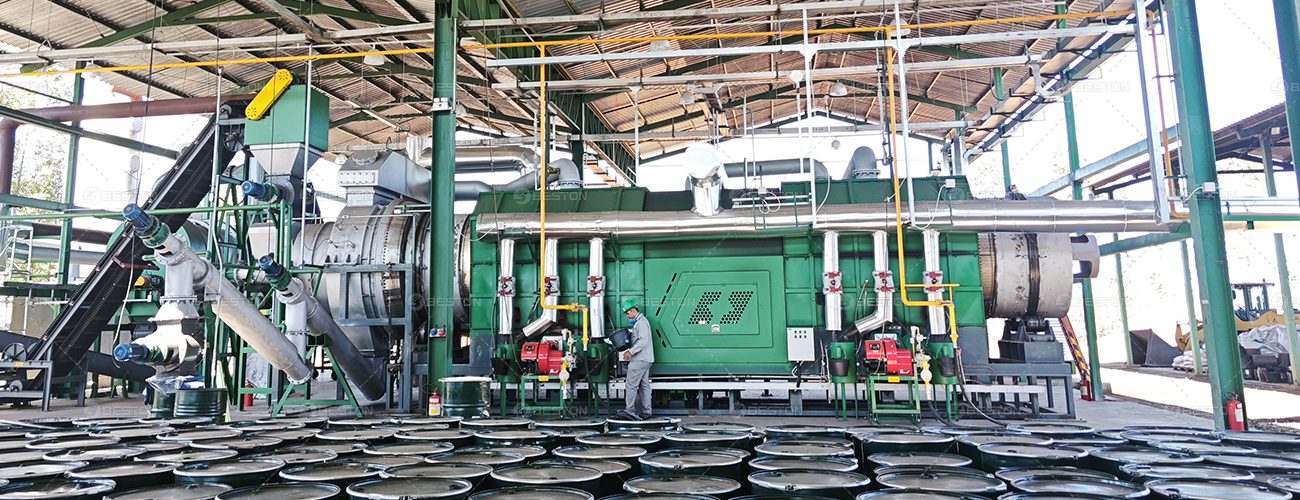
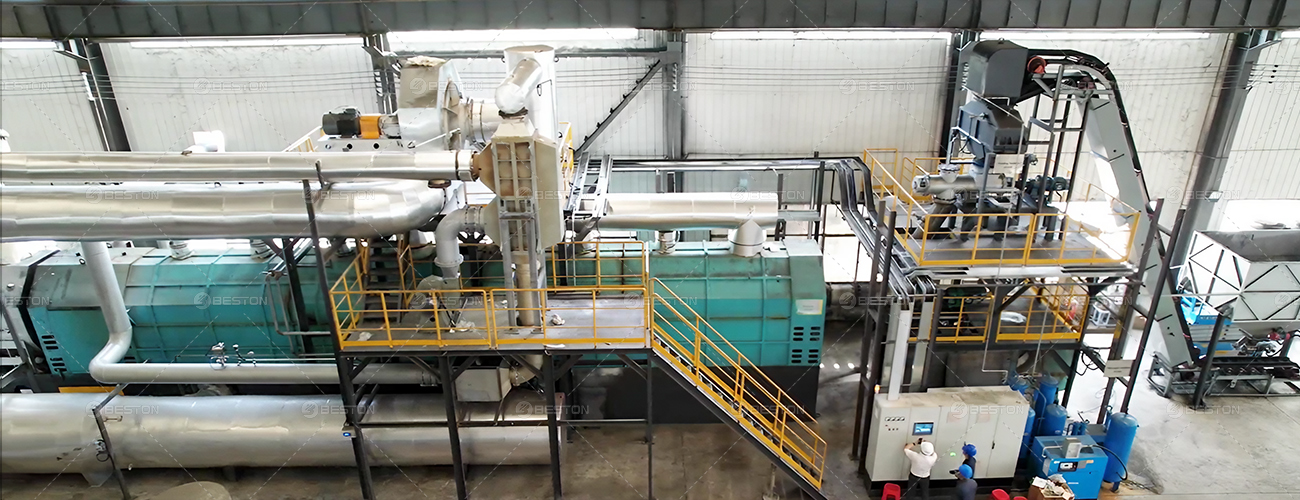
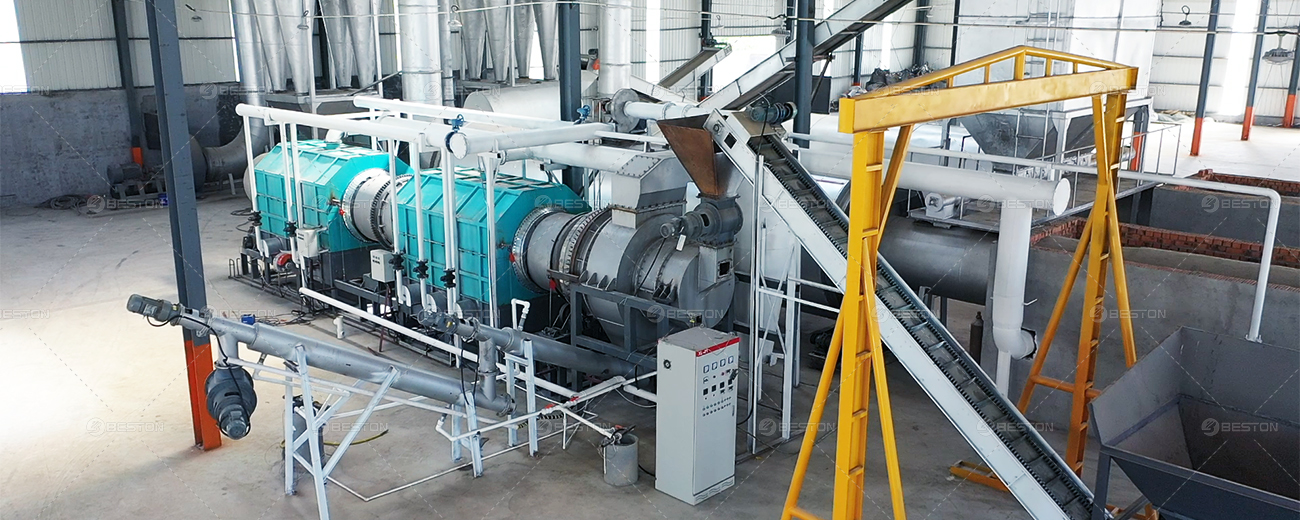
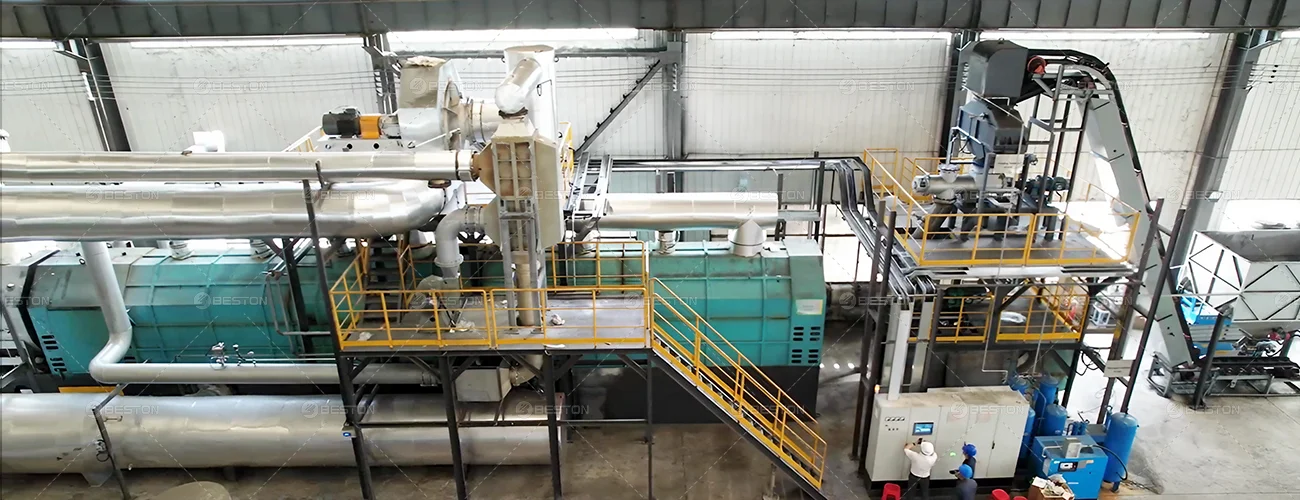
Establishing a tire pyrolysis plant requires substantial upfront funding. Expenditure categories include land acquisition, procurement of core reactor systems, auxiliary condensing units, and flue gas cleaning mechanisms. Depending on processing scale, initial capital typically ranges from several hundred thousand to multi-million USD. Financing models often combine equity, institutional loans, and in some cases, green investment subsidies. Advanced designs incorporating continuous feeding systems and automated discharge lines improve cost efficiency and reduce labor dependency, contributing to long-term profitability.
Operational Costs and Efficiency Factors
Once operational, costs are driven by workforce salaries, utility consumption, feedstock transportation, and scheduled maintenance. Modern pyrolysis systems often harness syngas byproduct as an internal fuel source, offsetting electricity and heating needs. This closed-loop approach reduces external energy expenses. Further efficiency is achieved by optimizing reactor insulation, maintaining consistent feedstock granularity, and deploying predictive monitoring tools. These measures cumulatively reduce variable costs and enhance operational margins.
Revenue Streams and Market Opportunities
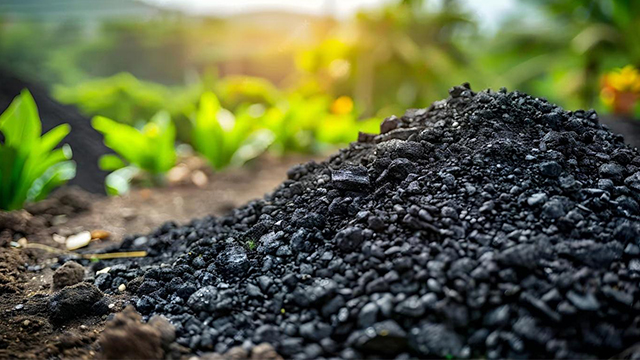
The primary product, tire-derived pyrolytic oil, serves as a substitute for heavy fuel oil in industrial furnaces and power generation. Its growing acceptance in refining sectors further strengthens demand. Recovered carbon black is another high-value commodity, utilized in rubber compounding, inks, and coatings. Scrap steel, consistently recovered during pyrolysis, provides additional revenue with stable demand in metal recycling markets. Syngas, while primarily consumed on-site, contributes indirectly by reducing overhead. Together, these diversified outputs insulate revenue models from reliance on a single commodity price.
Environmental and Compliance Advantages
Sustainability credentials are a critical determinant of financial viability. A pyrolysis plant equipped with emission control units and residue management systems can meet stringent global standards. Compliance not only ensures operational continuity but also unlocks access to carbon credit schemes and preferential financing structures. Integration with circular economy initiatives further enhances project reputation, attracting partnerships with multinational corporations seeking verifiable sustainability outcomes.
Risk Factors and Strategic Safeguards
Project profitability is sensitive to multiple risks, including fluctuations in crude oil prices, regional regulatory changes, and carbon credit market volatility. Securing feedstock through long-term contracts with tire collection networks mitigates input risk. Similarly, off-take agreements with industrial users stabilize product sales. Adoption of robust maintenance strategies prevents unplanned shutdowns and ensures high utilization rates. By diversifying sales channels across energy, chemical, and material markets, exposure to sector-specific downturns is reduced.
Strategic Outlook for Industry Expansion
Global initiatives to curtail tire landfilling and promote renewable fuel alternatives are accelerating the adoption of pyrolysis solutions. Demand for tire-derived oil and recovered carbon black is projected to grow in tandem with sustainability regulations and industrial decarbonization goals. Projects that integrate advanced reactor technology, efficient logistics, and rigorous environmental compliance are positioned to secure early-mover advantages. With strong alignment to both environmental imperatives and commercial objectives, tire pyrolysis projects demonstrate significant potential for enduring profitability and industrial scalability.